





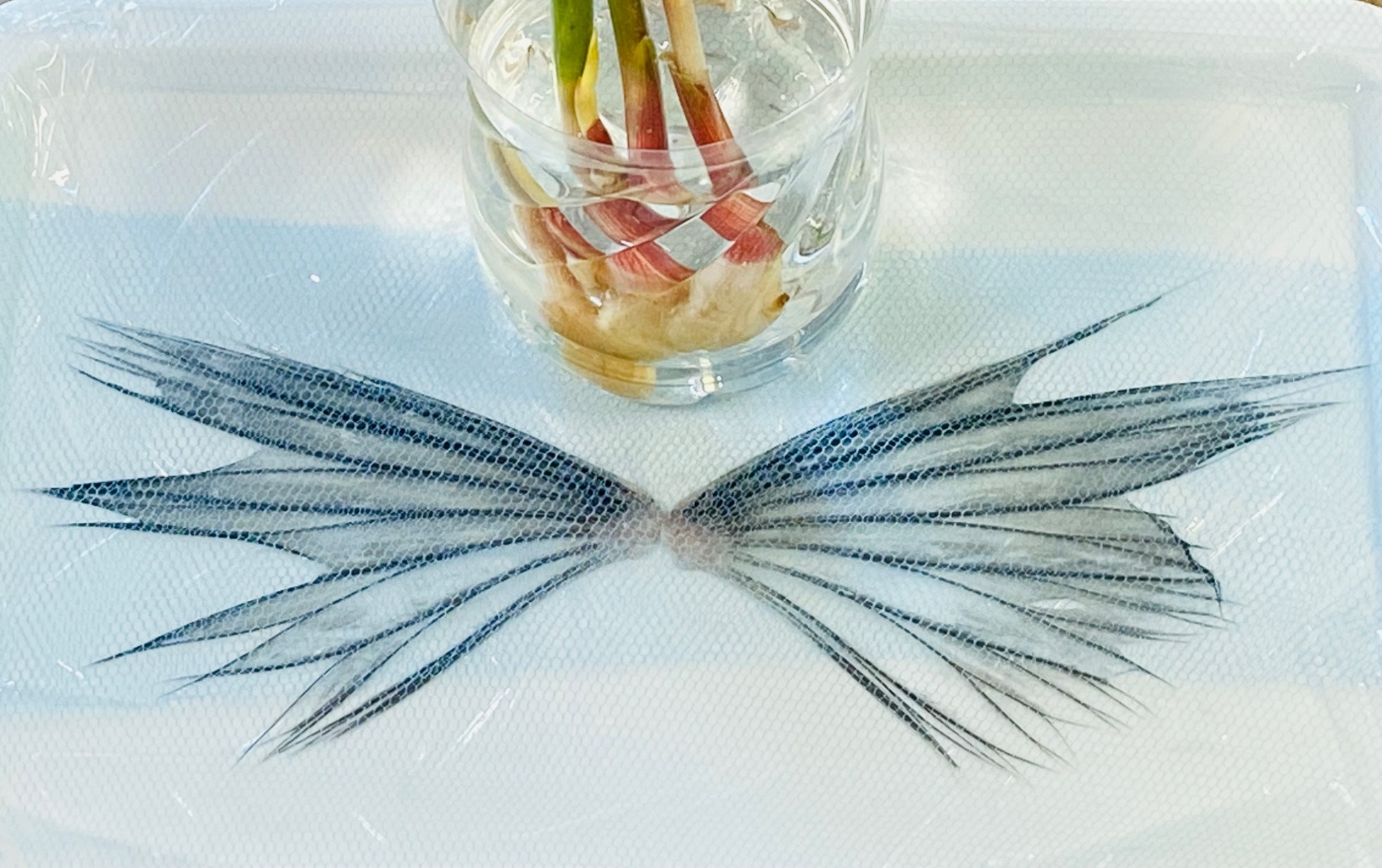

Flyingfish
Horse-mackerel
Sardine
2020.00.00

Among the main items for daily dining are mushrooms (shiitake), winter mushrooms (enokidake), champignons (shimeji), Japanese endemic mushrooms (nameko) and maitake, which are grilled, put in soup, fried in oil or put in a steamed custard of vegetables, eggs and meat.
Since in Japan there are clear distinctions among the four seasons, there is fruit for each season. Among there seasons, particularly autumn can be said to be the season for fruit.
Chestnuts are one of the most common and beloved tastes of autumn, and together with persimmons they symbolize autumn. The outermost shell covering the fruit of the nut is covered with prickles, like a hedgehog. These nuts can be eaten simply boiled or cooked with rice to make chestnut rice.
Moon viewing : In the Orient there is a custom of appreciating the moon; in Japan, too, on the night of August 15 by the lunar calendar, dumplings offered to the moon, eulalia, seasonal fruits are set out by the window offered to the moon and the full moon is appreciated. The full moon floating in the clear autumn sky appear especially beautiful, but the prototype of tsukimi for the Japanese, who are a farming people, is to liken the moon to a divinity and to pay for abundant subsequent harvests of ripened rice.
Kado is a traditional Japanese art that has flourished since the sixteenth century. Also called ikebana, its origin is said to date from the sixth century when Buddhist priests offered up flowers before Buddha. Its fundamental concept is to express the three elements of heaven, earth, and mankind in a balanced composition, using natural flowers.
In Sado, special powdered tea, different from ordinary Japanese tea is chiefly used. The powdered tea is put into a teacup, hot water is poured on it, it is whipped with a bamboo whisk till it foams and it is drunk. In the sixteenth century, Sen-no-Rikyu brought Sado to perfection by incorporating the simple aesthetic values known as wabi (subtle taste) and sabi (elegant simplicity) and the concept that every single encounter never repeats in a life time (ichigo ichie) . To make the encounter important, the host prepares with deep sincerity implements such as a hunging scroll or flowers to put in the alcove or the teacups.
Shinto, literally meaning the way of the gods, is the Japanese religion from the ancient times, centering on the ideas of Japanese intimacy with nature and ancestor worship. All things on earth were brought forth and ruled over by the gods who reside throughout all nature. Mountains and trees often become objects of worship, and Shrine archways and sacred Shinto rope mark sacred areas.
Bukkyo came to Japan in the middle of the sixth century. In the Kamakura Period (1185-1333), as a number of new leaders appeared and deepened its philosophy, bukkyo made clear its position of saving the weak. At present, a culture in Japan that has bukkyo as its backdrop has laid roots deeply in the lives of the people and, together with Shinto, forms the spiritual culture of the Japanese people.
The glow of fireflies at one time was thought to be the altered from of the souls of soldiers who had died in war. Since they emit a pale glow from their backs, appreciating the glow through an insect cage filled with fireflies has been a popular activity during summer nights.
The butterfly is a representative of beautiful insects. There are about 260 different kinds of butterflies counted in Japan. But common ones are Cabbage butterflies and swallowtails. The national butterfly of Japan is named the giant purple butterfly.
Because the Japan Islands are 61% composed of steep mountainous regions and have a lot of rainfall, naturally there are many of both kawa and mizuumi. However, with large scale dam and levee constructions being undertaken on rivers throughout the country for flood control, nature has been destructed and polluted by construction drainage water. Currently, the Japanese people have begun to reconsider the beauty of nature and whether it can coexist with the security of the people.
The Japanese archipelago, encircled by the sea, abounds in marine products. Fish in particular is essential to the Japanese diet. Because fresh fish is easily obtainable, dishes that are eaten raw, like sashimi and sushi, are popular. Sashimi is raw fish, cut in appropriate sizes, which are dipped in soy sauce and eaten. A distinctive characteristic of Japanese cuisine is to enliven dishes with ingredients that are as fresh as possible. Fish is deeply related to Japanese culture. When a sea bream is grilled whole, it is considered good luck and is invariably served on such occasions as weddings. And lobstar or prawn too is considered good luck, because, in a figurative sense, the more its tail is curved and its back bent, the longer one’s life and, like cranes and turtles, are considered symbols of long life.
Noh is a performing art with plot and is Japan’s oldest form of musical theater. It has flourished since the fourteenth century. The actors wear lacquer-coated masks made of wood and colorful brocade costumes. There are also roles without mask, but even then the face is used to resemble a mask, with no attempt at expression. Because movements are restrained and the actors put no sentiment in their voices, Noh expresses the darker aspects of humanity; on the other hand, the mysterious gestures and monotonic music yield a deep beauty known as yugen (the subtle and profound).
What is neither apparent in the meanings of words nor clearly visible to the eyes is, for these very reason, the aesthetic world that man can sense behind it all: This is yugen. It is one of the emotions flowing in the depths of the Japanese feelings that value suggestiveness and encourage brevity. This kind of deep emotion is related to the process of shaping a short poetic style which tries to express everything using limited kinds and numbers of words. That is to say, the beauty of yugen, which values suggestiveness, is an aesthetic quality that takes shape where only a few words can awaken many thoughts. Therefore, it can be said to be an aesthetic world made possible only in a community sharing a homogeneous culture, where people communicate without saying everything.
Compared to Noh, Kyogen has mass appeal. Masks are only used in a few roles, and no makeup is put on. Except for the special roles of deities and ogres, the costumes are the daily clothing worn in the fifteenth century. Kyogen plots have an affirmative human spirit and do not draw thieves and the like as truly wicked people.
August 15: It is a day to renew the determination to convey the memories of the wretched war to posterity and not to repeat a war again.
Rice balls: These are made by rolling rice in the palms of the hands. They are also called onigiri. Usually, they are made into triangular or round shapes with a pickled plum or fish in the middle and wrapped with laver on the outside.
Pickled plums: These are plums pickled in salt and exposed to the sun for drying. Even just one of these pickled plums made a sufficiently tasty meal with rice. Today, it is still a basic food item, essential for rice balls and lunches, for the Japanese.
Ohagi is a traditional Japanese pastry. It is made by mixing together and cooking glutinous and nonglutinous rice, lightly squashing and molding this into balls, which are covered with bean jam, orelse soybean flour or sesame seeds. This is an essential food twice a year, for the spring and autumn equinoctial weeks. Originally, it was made in the home to offer to the spirits of the ancestors, but now it is a typical Japanese confectionery.

このページはWepageで作成されています。今すぐ無料でホームページを作ってみませんか?
Wepageは、HTMLの知識がなくても、誰でも簡単にホームページを作成できます。詳しくはこちら